
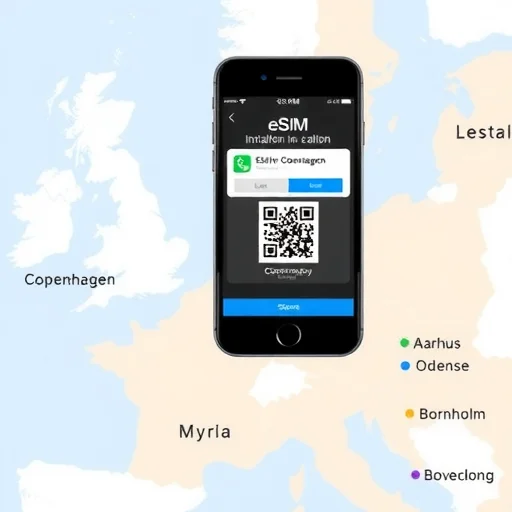
If you’re planning a trip to Denmark—whether it’s cycling through the streets of Copenhagen, exploring the Viking history of Roskilde, or enjoying the coastal charm of Skagen—staying connected is essential. You’ll want reliable data for navigating the city’s bike lanes, checking train schedules, and using mobile payments, which are ubiquitous in Danish daily life. The best solution for most travelers is an eSIM: a digital SIM you can install before you depart. Denmark has excellent mobile infrastructure, but with several network options and a variety of eSIM providers, how do you choose the best one? This guide breaks down everything you need to know about eSIMs for Denmark.
Denmark has a highly developed mobile network with three main operators: TDC Net (which operates under the “YouSee” and “TDC” brands), Telenor, and Telia (which jointly own a network-sharing company called TT-Netværket). All three provide excellent 4G coverage across the country, with 5G widely available in cities and expanding into rural areas. TDC has historically had the most extensive overall coverage, especially in rural Jutland and the smaller islands. Telenor and Telia, through their shared network, also offer strong coverage, particularly in urban centers. When choosing an eSIM, understanding which local network the provider uses can be helpful if you plan to venture off the beaten path.
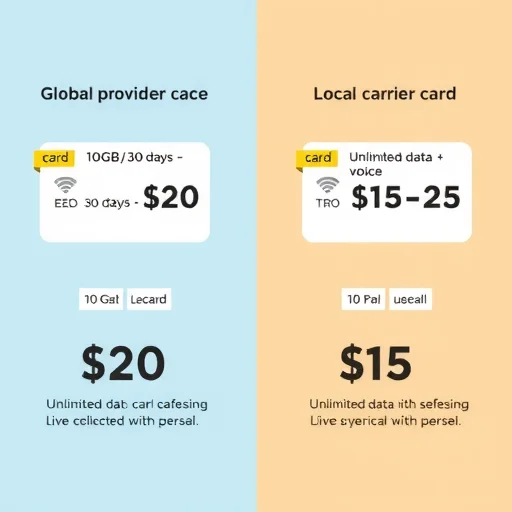
eSIM plans for Denmark generally fall into two categories: global eSIM providers and local carrier eSIMs. Global providers like Airalo, Nomad, Holafly, and Saily offer plans designed for travelers. These are convenient—you buy and install them before you leave home, and they activate the moment you land. Most of these plans are data‑only and typically operate on TDC, Telenor, or Telia networks. They’re ideal for short to medium trips (3 to 14 days) and offer fixed‑total data packages (3GB, 5GB, 10GB, etc.) at competitive prices. For a one‑week trip, a 5GB or 10GB plan usually costs between $10 and $25.
Local carrier eSIMs—from providers like TDC, Telenor, or Telia—are also available. These can be purchased online or at carrier stores upon arrival. They often come with larger data allowances, include a local Danish phone number, and sometimes offer unlimited talk and text. They’re a better value for longer stays (two weeks or more) or if you need a local number for things like booking restaurants, using the Rejsekort (travel card) app, or receiving SMS verification codes. However, they require a bit more setup and may involve registration with your passport.
So which should you choose? Let’s match them to travel styles.
If you’re taking a short city trip—say, 4 to 7 days in Copenhagen—a global eSIM provider is your best bet. You can install it before departure, and you’ll have data as soon as you land. A 5GB plan is typically enough for a week if you use maps, ride‑hailing, messaging, and occasional social media. If you’re a heavier user, 10GB gives you comfortable breathing room. Providers like Airalo and Nomad have user‑friendly apps, and you can top up easily if you need more data. Since these plans usually use top‑tier Danish networks, you’ll have excellent coverage in cities and decent coverage in between.
If you’re staying longer—two weeks or more—or if you’re traveling across the country, including rural Jutland or the island of Bornholm, a local carrier eSIM becomes more attractive. For example, TDC’s prepaid “YouSee” eSIM or Telenor’s prepaid offerings can be purchased online or at a carrier shop. A typical plan might give you 20GB of data, unlimited calls and texts within Denmark, and a local number for around 100–150 DKK (roughly $15–$22) per month. That’s significantly cheaper per GB than most global provider plans for longer stays. Having a local number is also handy for using Danish apps like Rejsekort (for public transport), MobilePay (which many Danes use for small payments), or restaurant reservations.
Now, let’s talk about a few specific providers and their strengths for Denmark.
**Airalo** offers Denmark plans that typically run on TDC or Telenor networks. Its plans are data‑only, with options ranging from 1GB to 20GB. Airalo’s app is polished, and its customer support is responsive. It’s a great choice for travelers who want a simple, reliable experience.
**Nomad** offers both fixed‑total and daily‑cap plans for Denmark. Its plans usually use TDC or Telenor. Nomad’s daily‑cap plans (e.g., 1GB per day) are popular with travelers who want predictable daily usage.
**Holafly** specializes in unlimited data plans. If you’re a heavy data user—someone who streams video, joins video calls, or just wants to never think about data limits—Holafly’s unlimited Denmark plan is appealing. It typically uses TDC’s network, which is excellent for coverage. However, it’s more expensive than fixed‑total plans for light users.
**Ubigi** also offers Denmark plans, often using TDC’s network. It’s known for reliable connectivity and easy top‑ups.
**Local carrier eSIMs**—especially from TDC (YouSee) or Telenor—are worth considering for longer stays. You can purchase them at the airport (Copenhagen Airport has kiosks) or online. Some require a visit to a shop with your passport for registration, but the value is hard to beat for extended trips.
I recently helped a friend plan a 10‑day trip that included Copenhagen, Aarhus, and a few days in rural Jutland. She was debating between Airalo and a local TDC eSIM. Since she didn’t need a local number and her trip was moderate in length, we went with a 10GB Airalo plan that used TDC’s network. She installed it before departure, and it worked flawlessly—even in smaller towns. She used about 6GB for maps, social media, and a few video calls.
Another friend spent a month in Denmark for work. He needed a local number for business calls and to use MobilePay. He bought a TDC prepaid eSIM at a shop in Copenhagen. For around 150 DKK, he got 30GB of data, unlimited Danish calls, and a local number. He told me it was much more cost‑effective than buying multiple global provider packages.
One practical consideration: Denmark is part of the European Union, so if you have a European SIM plan with roaming, you can often use it in Denmark without extra charges. However, many non‑EU travelers don’t have that luxury, which is where eSIMs come in. If you’re coming from outside Europe, an eSIM is a straightforward way to avoid expensive roaming fees.
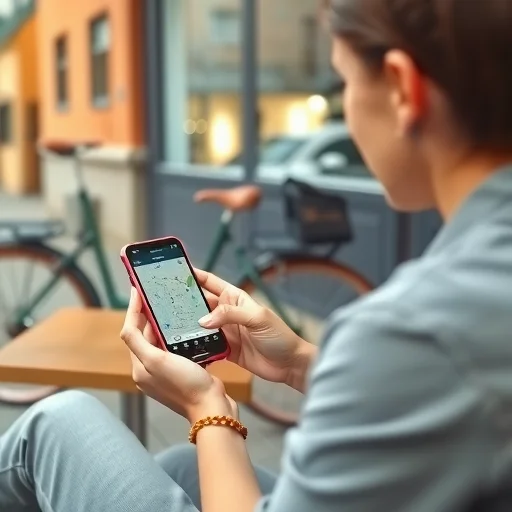
Another detail: Denmark is a highly digital society. You’ll likely use apps for public transport, bike rentals, and even some museum tickets. Having a reliable data connection means you can navigate these systems without hassle. Also, if you’re cycling (which is the primary mode of transport in Copenhagen), having a working data connection for maps is essential.
When comparing plans, don’t just look at price per GB. Consider the provider’s reputation, the underlying network, the ease of installation and top‑ups, and whether the validity period matches your trip. A plan that uses TDC (the most extensive coverage in rural areas) might cost a dollar or two more, but it’s worth it for peace of mind if you’re venturing outside the major cities.
Ultimately, the best eSIM for Denmark depends on your trip length and itinerary. For short city trips, global providers offer unbeatable convenience. For longer stays or trips that include rural areas, local carrier eSIMs provide better value and often include a local number. And for heavy data users, unlimited plans from providers like Holafly are a solid option. A few minutes of planning before you go means you can land, connect instantly, and focus on enjoying Denmark’s hygge, history, and stunning landscapes. For Denmark, choose an eSIM based on trip length and coverage needs: global providers (Airalo, Nomad) offer convenience for short city trips; local carrier eSIMs (TDC, Telenor) provide better value, local numbers, and wider rural coverage for longer stays. Unlimited plans from Holafly suit heavy data users. TDC’s network is ideal for rural and island coverage.
TravelDenmarkConnectivityFINISHED
Spent three weeks in Denmark, including rural Jutland. Went with a local TDC prepaid eSIM. Had coverage everywhere, and the local number was essential for using MobilePay and booking restaurants. Great value for longer stays.
I used Holafly’s unlimited plan for a 10-day trip. Streamed music on trains, used video calls, never worried about data. More expensive but worth it for heavy users. Network was TDC, so coverage was excellent.
If you’re traveling to multiple European countries, consider a Europe regional eSIM. I used Nomad’s Europe plan for Denmark, Sweden, and Norway. Worked seamlessly across borders. So much easier than buying separate plans.
Important tip: If you’re cycling in Copenhagen, having reliable data is a must for bike lane navigation. My eSIM from Nomad worked flawlessly. 1GB per day plan gave me peace of mind.
Used Airalo for a week in Copenhagen. 5GB was plenty for maps, cycling directions, and social media. Installed before I left, worked perfectly. Highly recommend for short trips.