
If you’re planning a trip to South Korea, staying connected is probably high on your list. You want reliable data for maps, translations, and sharing those incredible Seoul food shots without hunting for Wi‑Fi or fiddling with a tiny physical SIM card. The best solution for most travelers is an eSIM—a digital SIM you install before you even board your flight. But with so many options, which one actually gives you fast speeds, fair prices, and real coverage across the country? Here’s a straightforward guide to choosing the right eSIM for South Korea, along with specific recommendations based on how you actually travel.
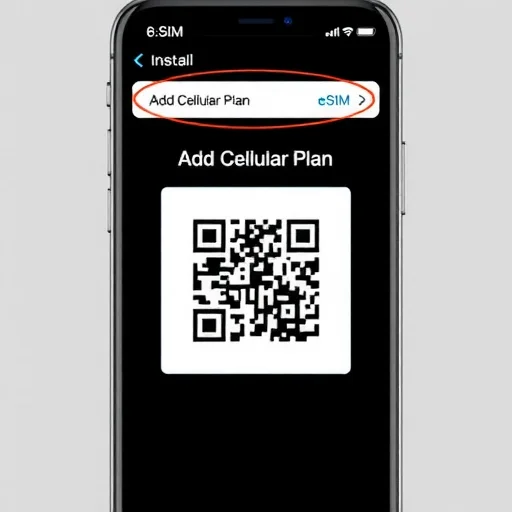
First, let’s quickly cover why eSIMs have become the go‑to for South Korea. The country has one of the world’s most advanced mobile networks, with near‑ubiquitous 5G coverage in cities and reliable LTE even in rural areas. A physical SIM card works too, but an eSIM lets you avoid the arrival‑day hassle of finding a kiosk, showing your passport, and swapping cards while jet‑lagged. You purchase and install the eSIM online, and it activates as soon as your phone connects to a local network. It’s instant, it leaves your physical SIM slot free for your home number, and you can manage everything from your phone’s settings.
The key to choosing the right eSIM comes down to three factors: network partner, data structure, and validity period. South Korea’s primary carriers are SK Telecom, KT, and LG U+. Most eSIM providers partner with one or more of these. For the best experience, look for a provider that explicitly uses SK Telecom or KT—they have the most consistent coverage across subways, mountains, and even the DMZ area if you’re taking a tour. Some budget eSIMs use smaller virtual operators that may deprioritize speeds during peak hours, so reading the fine print matters.
Next, consider how you use data. Some eSIMs offer a fixed total—say, 5GB or 10GB that expires after a set number of days. Others offer daily plans with a soft cap: for example, 500MB or 1GB of high‑speed data per day, then unlimited throttled data afterward. If you’re a light user who just needs maps, messaging, and occasional social media, a fixed total plan often gives you the most value. If you’re a heavy user—streaming video, using navigation for hours, or working remotely—a daily unlimited plan can save you from the anxiety of running out mid‑trip. A third option is unlimited high‑speed plans with no throttling, which are ideal for short, high‑demand trips but usually cost more.
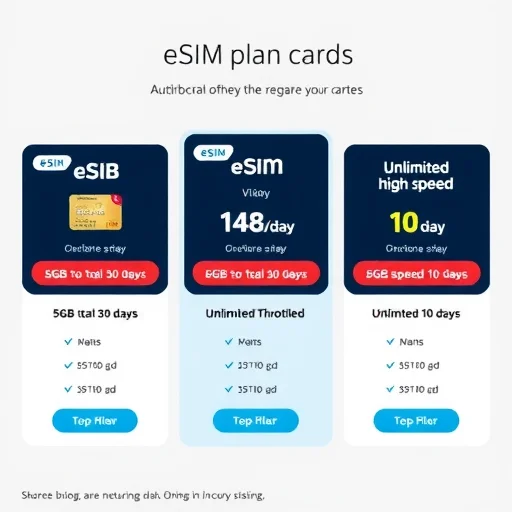
Now, let’s talk about specific recommendations based on travel style. For the short‑stay traveler (3 to 5 days), a small fixed‑data eSIM from a reputable brand like Airalo, Nomad, or Korea’s own KT eSIM direct is hard to beat. You can get 3GB or 5GB for around $8–$15, and it’s more than enough for navigation, KakaoTalk, and casual browsing. Install it before departure, and it activates automatically upon landing at Incheon or Gimpo. For the week‑long explorer (7 to 10 days), daily‑cap plans start to shine. Many travelers find that 500MB or 1GB per day feels generous enough, and the peace of mind from knowing you won’t get surprise overage charges is worth the slightly higher price. For digital nomads or long‑term visitors (2 weeks or more), consider buying directly from a Korean carrier’s eSIM portal—SKT and KT both offer tourist eSIMs with voice and data options, sometimes including a Korean phone number, which can be useful for local reservations and delivery apps.
One important detail that catches many travelers off‑guard is that some eSIMs are data‑only. That means you can use WhatsApp, KakaoTalk, and FaceTime without issue, but you won’t have a local phone number for voice calls or SMS verification. If you need to make traditional phone calls—for restaurant bookings or contacting your accommodation—look for an eSIM that includes a voice plan or a local number. KT’s “KT eSIM for tourists” and SKT’s “Prepaid eSIM” both offer voice and data bundles with a Korean number. They’re slightly more expensive than data‑only options, but they remove friction if you need full connectivity.
Another point: compatibility. Most modern smartphones from the iPhone XS/XR onward and recent flagship Android devices (like Samsung Galaxy S21 and newer, Google Pixel 4 and newer) support eSIM. But it’s worth double‑checking that your specific model is unlocked and eSIM‑capable before you purchase. Carriers in some countries still lock phones, so verify that with your home provider a week before travel.
I recently helped a friend plan her two‑week South Korea itinerary. She was torn between a budget third‑party eSIM and buying directly from KT. We ended up going with the KT tourist eSIM that gave her 10GB of data plus voice for 30 days. It cost around 35 USD, which was slightly more than a data‑only plan, but it gave her a local number she used for Kakao T (the Korean ride‑hailing app) and for restaurant waitlists. She had zero connection issues from Busan to Jeju Island, and installation took three minutes at the airport kiosk—though she could have installed it online even earlier. Her experience is a good reminder that “best” depends entirely on your specific needs.
If you’re a budget‑conscious traveler who stays in hotels with good Wi‑Fi, a smaller data‑only eSIM works beautifully. If you’re constantly on the move, using public transit and exploring rural temples, prioritize network quality over price. And if you plan to stay longer or need a local number for essential apps, investing in a carrier‑direct tourist eSIM with voice is a smart move.
Ultimately, the best eSIM for South Korea is the one that aligns with your itinerary, phone compatibility, and how much data you genuinely use. By understanding the network partners, plan structures, and the value of having a local number, you can avoid the common pitfalls—like running out of data halfway through a hike or struggling to call a taxi. A few minutes of planning before you go means you’ll step off the plane already connected, ready to focus on the incredible food, culture, and scenery. Choose an eSIM for South Korea based on network partner (SK Telecom or KT), data structure (fixed total vs. daily cap vs. unlimited), and whether you need a local phone number. For short trips, data‑only eSIMs offer great value; for longer stays or full functionality, carrier‑direct tourist eSIMs with voice provide seamless connectivity.
I went with Airalo for a 10-day trip. 5GB total cost me about $12 and it was perfect for maps and Instagram. No issues anywhere in Seoul or Busan. Installation was super easy before I even left home.
Just got back from Seoul and used the KT tourist eSIM. Installed it at the airport in less than 5 minutes. Speeds were insane, even on the subway. Having a local number for Kakao T was a lifesaver. Highly recommend.
Important tip: make sure your phone is unlocked! My friend couldn’t use any eSIM because her carrier locked her iPhone. We had to share my hotspot the whole trip. Check before you go!
For long stays, the SKT prepaid eSIM with voice is worth every won. I was there for a month and being able to make local calls for appointments made life so much easier. Coverage even in remote parts of Jeju was perfect.
Used a daily-cap plan from Nomad and it worked great. I liked knowing I wouldn’t accidentally blow through all my data. One day I used navigation for 6 hours and still had leftover. Solid option for medium usage.