
If you’re planning a trip to the Philippines—whether it’s lounging on the white sands of Palawan, surfing in Siargao, or exploring the bustling streets of Manila—staying connected is more important than you might expect. You’ll want reliable data for booking ferries between islands, navigating through remote coastal roads, and staying in touch with tour operators who almost exclusively communicate via Facebook Messenger or Viber. The best solution for most travelers is an eSIM: a digital SIM you can install before you depart. But connectivity in the Philippines presents unique challenges. With over 7,000 islands, coverage varies dramatically between major cities, popular tourist destinations, and the remote island provinces. This guide walks you through how to choose the right eSIM for your Philippine adventure.
The Philippines has two dominant mobile network operators: Smart and Globe. Both offer widespread 4G coverage, but their strengths differ significantly. Smart generally has better coverage in the Visayas and Mindanao regions, including popular tourist spots like Siargao, Cebu, and Bohol. Globe tends to have stronger coverage in Luzon, including Manila, Palawan (El Nido, Coron), and the northern provinces. Both networks have invested heavily in improving service, but there are still notable gaps in the most remote islands and mountainous areas. When choosing an eSIM, understanding which local carrier the provider uses is crucial. For travelers island‑hopping across multiple regions, having access to both networks or selecting the carrier best suited to your itinerary can make a noticeable difference.
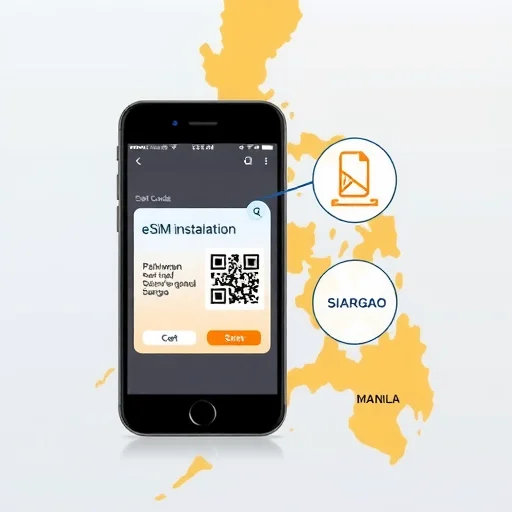
The key to picking the best eSIM for the Philippines comes down to three factors: the underlying local network, the plan structure, and your itinerary. If your trip is focused on Luzon—Manila, Baguio, or Palawan—Globe is a strong choice. If you’re heading to the Visayas (Cebu, Bohol, Siargao) or Mindanao, Smart often provides more consistent coverage. Some international eSIM providers offer “multi‑network” roaming that automatically selects the strongest available signal—a great option for travelers visiting multiple islands. For those who prefer a single carrier, choosing the one that dominates your primary destinations is the way to go.
Next, consider how you’ll use data. The Philippines is an archipelago where you’ll likely be using navigation extensively, especially if you’re renting a scooter or arranging private transfers. You’ll also be using messaging apps constantly—Filipinos rely heavily on Facebook Messenger for communication, including tour bookings and transportation. eSIM plans for the Philippines generally fall into fixed‑total categories: you get a set amount of data (5GB, 10GB, 20GB, or more) valid for a specific period like 7, 15, or 30 days. Daily‑cap plans are available from some global providers but are less common than fixed totals. Unlimited high‑speed plans exist but can be relatively expensive. For most travelers, a fixed‑total plan is the most straightforward: estimate your usage based on trip length and activities. If you’re using navigation, video calling, and posting updates regularly, budget on the higher side.
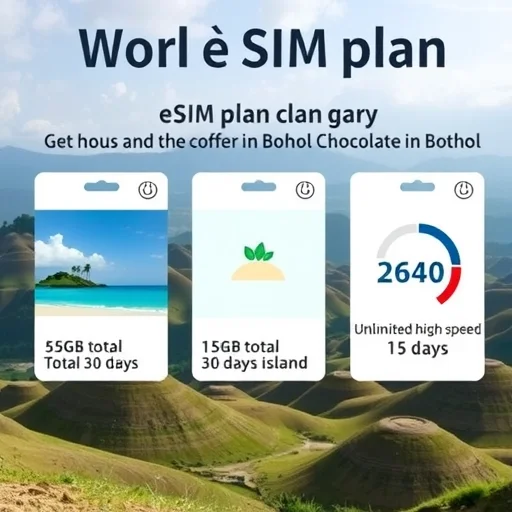
So which specific eSIM should you consider? For short trips (3 to 5 days) focused on a single destination like El Nido or Boracay, a compact 3GB or 5GB fixed‑data eSIM from a reputable global provider like Airalo, Nomad, or Holafly is usually sufficient. You’ll use data for maps, social media, and messaging. For week‑long stays (7 to 10 days) that include multiple islands—say, Cebu, Bohol, and Siargao—10GB is a comfortable sweet spot. For extended trips (two weeks or more) covering diverse regions, especially if you’re working remotely or staying in remote island accommodations with limited Wi‑Fi, consider 15GB or 20GB. Some travelers also purchase a direct local prepaid SIM upon arrival—Smart and Globe both offer tourist SIMs at airports in Manila, Cebu, and other major cities. However, local SIM registration now requires a government ID and a selfie for verification, which has made international eSIMs increasingly attractive for short‑term visitors.
One detail that catches many travelers off guard: even in popular tourist destinations like Palawan and Siargao, coverage can be spotty once you leave the main towns. In El Nido, for example, Smart works better in the town proper, while Globe may have stronger signal in certain outlying areas. On Siargao, Smart is generally considered the more reliable network, especially around Cloud 9 and the northern parts of the island. If you’re island‑hopping between remote islands, expect intermittent signal regardless of your carrier. Downloading offline maps before heading out on boat tours or road trips is essential. Apps like Google Maps (with offline areas saved) and Maps.me are invaluable.
Another practical consideration: the Philippines experiences frequent typhoons and tropical storms, especially during the rainy season. Having a reliable data connection means you can monitor weather updates, receive alerts about canceled ferry trips, and rebook transportation on the fly. Additionally, tour operators and tricycle drivers almost exclusively use Messenger for communication, so a stable connection is crucial for coordinating pickups and transfers.
I recently helped a friend plan a 12‑day trip through the Philippines that included Manila, Palawan (El Nido and Coron), and Siargao. She was debating between a budget eSIM and a more flexible multi‑network option. I recommended a provider that allowed her to choose between Smart and Globe based on her location. We went with a 15GB fixed‑total plan. She installed it before departure, and it activated upon arrival. In El Nido, she used the Globe profile and had reliable coverage even on boat tours to the lagoons. In Siargao, she switched to Smart and enjoyed consistent signal in the main tourist areas. She told me later that having the flexibility to switch networks made island‑hopping much less stressful, and she never felt disconnected—even when coordinating with local guides in remote spots.
If you’re staying exclusively in major cities or a single well‑served resort area, a single‑carrier eSIM will likely serve you well. If you’re island‑hopping across multiple regions, consider a multi‑network eSIM or do your research on which carrier dominates your specific destinations. And if you’re visiting for more than two weeks, buying a local Smart or Globe SIM at the airport is still an option, but be prepared for the registration process.
Choosing the best eSIM for the Philippines is about matching your itinerary to the carrier’s coverage strengths. Smart is often better for the Visayas and Mindanao; Globe is stronger in Luzon and Palawan. Multi‑network options offer flexibility for island‑hoppers. Choose a data allowance that gives you buffer for navigation, Messenger communication, and weather updates. A few minutes of planning before you go means you can navigate the country’s breathtaking islands with confidence and focus on the adventure. For the Philippines, choose an eSIM based on your itinerary: Smart offers better coverage in the Visayas and Mindanao; Globe is stronger in Luzon and Palawan. Multi‑network options provide flexibility for island‑hoppers. Fixed‑total plans suit most travelers; 10‑15GB is ample for a two‑week trip.
Just returned from 2 weeks in Palawan and Siargao. Used a Globe eSIM for El Nido and Coron—worked perfectly even on the boat tours. Switched to Smart in Siargao and had great coverage near Cloud 9. A multi‑network option is the way to go for island hopping.
I bought a local Globe SIM at NAIA airport. Registration took about 15 minutes with my passport, but I got a good deal on 20GB. Worked fine in Manila and Boracay. But for multiple islands, I’d probably go with an eSIM next time for simplicity.
Important tip for travelers: Download offline maps before you go island hopping. I had signal in Coron town but lost it on some of the remote boat tours. Offline maps saved me. Also, take screenshots of your hotel contacts.
Spent a week in Cebu, Bohol, and Oslob. Used a Smart-based eSIM from Airalo. Had reliable 4G throughout—even in Oslob for the whale shark experience. 10GB was more than enough for maps and social media. Highly recommend.
Used a budget eSIM that didn’t specify the carrier and had patchy coverage in Siargao. Switched to a Smart-based plan mid-trip and it was a huge improvement. Don’t skip the network research if you’re visiting remote islands.