
You’ve got an old travel eSIM cluttering up your settings, you’ve switched carriers, or you’re preparing to sell your iPhone—and now you need to remove that eSIM profile. The good news is that deleting an eSIM profile from an iPhone is a quick, straightforward process that takes less than a minute. In this guide, I’ll walk you through the exact steps, explain what happens when you delete a profile, and cover the important things to know before you hit that remove button—especially if it’s your primary cellular line.
First, let’s clarify what an eSIM profile is and what deleting it actually does. An eSIM—embedded SIM—is a digital SIM built into your iPhone. Instead of inserting a physical card, you download a cellular plan wirelessly. That downloaded plan is what we call an eSIM profile. It contains your carrier account information, your phone number, and the authentication details that let your iPhone connect to the mobile network. When you delete an eSIM profile from your iPhone, you’re simply removing that digital connection from your device. You are not canceling your service with the carrier—your plan remains active on the carrier’s end. Think of it like taking a physical SIM card out of your phone: the SIM card still exists and your account is still active, but your phone no longer has access to that line. If you ever want to use that same eSIM plan again, you’ll need to re-download the profile via the original QR code or your carrier’s app. This distinction is important: if you’re deleting an old travel eSIM that has expired, there’s no risk. If you’re deleting your primary eSIM profile, make sure you have an alternative way to stay connected before you do it.
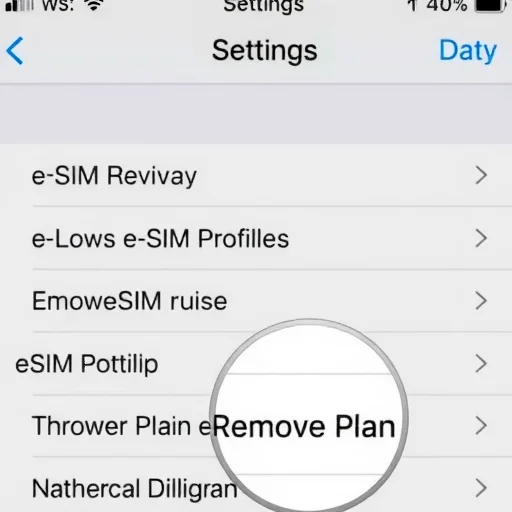
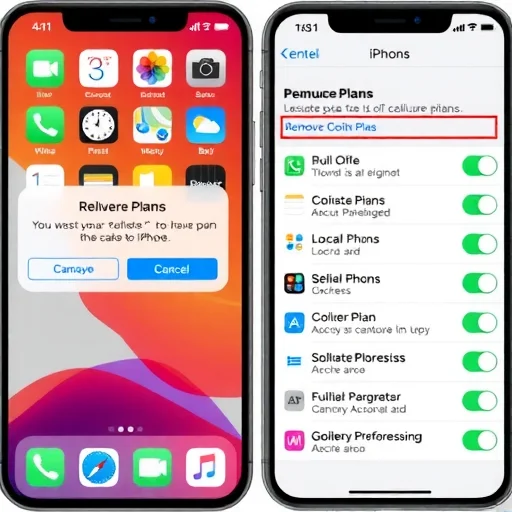
Now, let’s get into the step-by-step process. These steps work on all iPhones that support eSIM—that’s iPhone XR, XS, and later models, including all iPhone 11 through 16 series. Open the Settings app on your iPhone. Tap on “Cellular” (or “Mobile Data” depending on your region). You’ll see a section labeled “Cellular Plans.” This is where all your eSIM profiles appear, listed by carrier name or whatever label you gave them when you set them up. Tap on the eSIM profile you want to delete. Scroll all the way to the bottom of that plan’s settings page. You’ll see a red button labeled “Remove Cellular Plan.” Tap it. A confirmation pop-up will appear, asking if you’re sure you want to remove the plan. Tap “Remove” to confirm. That’s it—the eSIM profile is now deleted from your iPhone. If you have multiple eSIM profiles, simply repeat the process for each one you want to remove.
Before you delete an eSIM profile, there are a few important precautions to take. First and most important: if you’re deleting your primary eSIM profile—the one you use for daily calls, texts, and cellular data—make sure you have an alternative way to stay connected. If your iPhone uses eSIM as its only active cellular plan and you delete it, your phone will lose all cellular connectivity until you add a new plan. That means no calls, no texts, no cellular data. If you’re switching to a new carrier, have that new SIM or eSIM ready before deleting the old profile. If you’re switching to a physical SIM, have it inserted and activated. If you’re simply cleaning up old profiles and your primary eSIM is active and in use, you can safely leave it untouched and only delete the ones you no longer need. Second, if you’re preparing to sell, trade in, or give away your iPhone, deleting your eSIM profiles is an essential privacy step. An eSIM profile contains carrier account information tied to your identity. Leaving it on the device could allow the next owner to access services under your account or cause activation conflicts when they try to set up their own service. After deleting eSIM profiles, you should also perform a factory reset to wipe all personal data. Third, for travel eSIM profiles that have expired or are no longer needed, there’s no risk in deleting them. They’re already inactive, and keeping them only clutters your settings. If you ever travel to the same destination again, you can simply purchase a fresh eSIM profile.
Let’s walk through a few real-world scenarios to illustrate why and when you might delete an eSIM profile from your iPhone. First, consider Anna, who recently returned from a two-week trip to Italy. She used a travel eSIM for data during her trip. The eSIM profile is now expired, but it’s still sitting in her Cellular Plans list. Occasionally, when she’s in an area with weak signal, her iPhone tries to connect to that expired Italian eSIM, causing brief connectivity glitches. Anna opens Settings > Cellular, taps the expired eSIM, scrolls down, and taps “Remove Cellular Plan.” The profile is gone. Her settings are cleaner, and the connectivity hiccup disappears. If she ever goes back to Italy, she can simply buy a new travel eSIM.
Second, consider Marcus, who is switching carriers. He’s been using an eSIM profile from Carrier A on his iPhone, but he’s moving to Carrier B for a better plan. Before he deletes the old profile, he signs up with Carrier B and downloads their eSIM via their app. Once the new eSIM profile is installed and active, he goes to Settings > Cellular, taps the old profile, and removes it. He now has only the new carrier’s eSIM profile on his phone, and the old profile is completely removed. No physical SIM swapping, no waiting for a card in the mail—just a clean digital transition.
Third, consider James, who is selling his iPhone 14 to a friend. His iPhone uses an eSIM profile as his primary line. Before resetting the phone, he goes to Settings > Cellular, taps his primary eSIM profile, and removes it. He then performs a factory reset by going to Settings > General > Transfer or Reset iPhone > Erase All Content and Settings. When his friend receives the phone, there are no lingering eSIM profiles, no carrier account info left behind, and the phone is ready for them to add their own cellular plan.
One common question is whether deleting an eSIM profile deactivates your service with the carrier. The answer is no. Deleting the eSIM profile from your iPhone does not cancel your service plan. Your carrier still has your account active. If you’ve deleted an eSIM profile accidentally or changed your mind, you can usually re-add it by scanning the original QR code again (if you saved it), using your carrier’s app to download the profile, or contacting customer support for a new QR code. For postpaid plans from major carriers like Verizon, AT&T, or T-Mobile, re-adding is typically straightforward. For prepaid travel eSIMs that have expired, there’s usually no need to re-add them anyway.
Another important point: your iPhone can store multiple eSIM profiles but can only have two active at once (one primary and one secondary, like a travel line). If you’ve been downloading eSIM profiles for different trips or testing multiple carriers, deleting the ones you no longer use frees up storage and keeps your settings manageable. It also prevents the phone from occasionally trying to connect to a network from an old profile when you’re in range. While the exact storage limit varies by iOS version, it’s good practice to regularly clean out expired or unused eSIM profiles to avoid any potential issues when adding new ones.
If you’re troubleshooting connectivity issues, deleting a problematic eSIM profile is often a good first step. Sometimes a partially downloaded eSIM or one that conflicts with a physical SIM can cause network problems. By removing the eSIM profile and then re-adding it fresh, you can often resolve these issues without needing to contact support. If you have a physical SIM installed alongside your eSIM profiles, you can also use the “Turn On This Line” toggle in the Cellular settings to enable or disable specific lines without deleting them. But if an eSIM profile is clearly causing issues, deletion and reinstallation is the cleanest fix.
A final note: if you’re using eSIM Quick Transfer to move your eSIM profile to a new iPhone, you don’t need to manually delete the eSIM from your old device. The transfer process automatically removes it from the old phone once the new one is activated. However, if you’re selling the old phone to someone else or you encounter any issues during transfer, manually deleting the eSIM profile afterward ensures nothing is left behind.
Deleting an eSIM profile from your iPhone is one of those simple skills every iPhone user should know. Whether you’re cleaning up old travel profiles, switching carriers, or preparing to sell your device, the process takes less than a minute and gives you full control over your phone’s cellular setup. Because you can always re-add a valid eSIM profile later, there’s no risk in removing profiles you no longer need. So next time you see an old eSIM profile sitting in your settings, don’t hesitate to tap Remove—your iPhone will thank you. Deleting an eSIM profile on iPhone is simple: Settings > Cellular > tap the eSIM profile > scroll down > tap “Remove Cellular Plan.” This does not cancel your carrier service—it only removes the profile from your device. Always ensure you have an alternative connection before deleting your primary eSIM profile.
iPhoneTips#
Selling my old iPhone 13 and used this guide to delete my eSIM profile before factory resetting. Felt good knowing the next owner won’t have any of my carrier info hanging around. Privacy matters.
Just deleted an old travel eSIM profile from my Japan trip last year. Had no idea it was so simple. Always thought I needed to call someone or go through some complicated process. Took me 20 seconds. Thanks for this!
I had four old eSIM profiles from different trips cluttering up my Cellular menu. Deleted them all in under a minute using these steps. Settings look so much cleaner now. Great guide.
One tip: if you’re switching carriers and using eSIM, install the new eSIM profile first, make sure it’s working, then delete the old one. That way you never lose service during the transition.
Important warning: be absolutely sure you’re not deleting your primary eSIM profile unless you have a replacement ready. I accidentally removed mine while trying to clean up old profiles and was without service for an hour. Read carefully before tapping remove!