
If you’re planning a trip to Romania—whether it’s exploring the medieval streets of Transylvania, hiking the Carpathian Mountains, or enjoying the vibrant nightlife of Bucharest—staying connected is essential. You’ll want reliable data for navigating winding roads, using ride‑hailing apps,
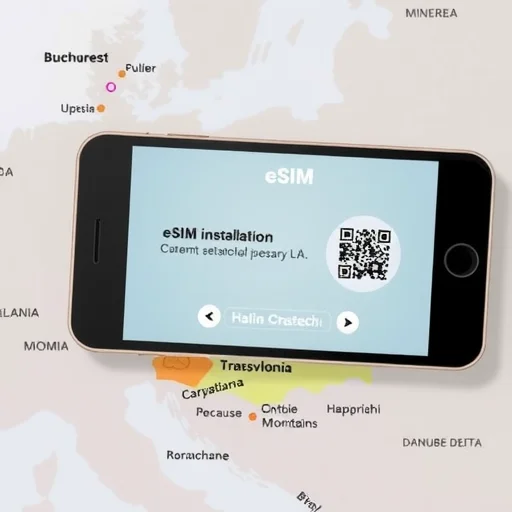
Romania’s mobile network landscape is dominated by three major carriers: Orange, Vodafone, and Telekom (formerly Cosmote). Orange has the most extensive coverage overall, particularly in rural areas and the Carpathian Mountains. Vodafone offers strong urban coverage and fast 4G/5G in cities. Telekom is a solid option with competitive pricing, but its rural coverage can be slightly less reliable. When choosing an eSIM provider, you’re effectively choosing which of these networks you’ll be using. For travelers sticking to Bucharest, Cluj‑Napoca, and major cities, any of the three will work. But if you’re venturing into the Transylvanian countryside, the Carpathian hiking trails, or the Danube Delta, an eSIM that uses Orange’s network is your safest bet.
eSIM providers for Romania fall into two main categories: global eSIM specialists and local Romanian carrier eSIMs. Global specialists like Airalo, Nomad, Holafly, and Saily are designed for travelers. You buy and install them before you leave home, and they activate the moment you land. Most of these plans are data‑only and typically operate on Orange or Vodafone networks. They’re ideal for short to medium trips (3 to 14 days) and offer fixed‑total data packages (3GB, 5GB, 10GB, etc.) at competitive prices. For a one‑week trip, a 5GB or 10GB plan usually costs between $10 and $25.
Local Romanian carrier eSIMs—from Orange, Vodafone, and Telekom—are also available. These can be purchased online or at carrier stores upon arrival. They often come with larger data allowances, include a local Romanian phone number, and offer unlimited talk and text. They’re a better value for longer stays (two weeks or more) or if you need a local number for things like booking accommodations, calling local guides, or using Romanian apps. However, they require a bit more setup and may involve registration with your passport.
So which provider should you choose? Let’s match them to travel styles.
If you’re taking a short city trip—say, 5 to 7 days in Bucharest, Cluj, or Brașov—a global eSIM provider is your best bet. You can install it before departure, and you’ll have data as soon as you land. A 5GB or 10GB plan is typically enough for a week if you use maps, ride‑hailing, messaging, and occasional social media. Providers like Airalo and Nomad have user‑friendly apps, and you can top up easily if you need more data. Many of these providers use Orange or Vodafone, so you’ll have excellent coverage in cities and along main transport routes.
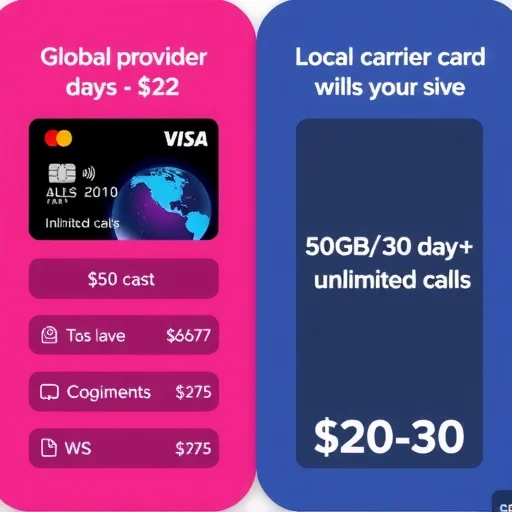
If you’re staying longer—two weeks or more—or if you’re traveling to rural areas like the Transylvanian countryside, the Carpathian Mountains, or the Danube Delta, a local Romanian carrier eSIM often provides better value and more reliable coverage. For example, Orange Romania’s prepaid “Orange Travel” or Vodafone’s “Vodafone Prepay” plans offer 50GB to 100GB of data, plus unlimited calls and texts within Romania, for around 10–20 EUR ($11–$22) for 30 days. These plans use the carrier’s full network, giving you the best possible coverage, and include a local Romanian number—useful for calling guesthouses, hiking guides, or receiving SMS verification for local apps.
Now, let’s look at specific providers and what they offer in Romania.
Airalo is a top choice for short trips. Its Romania plans are data‑only and typically operate on Orange’s network. A 10GB/30‑day plan costs around $22. Airalo’s app is intuitive, and installation is straightforward. It’s a reliable, no‑frills option for travelers who don’t need a local number.
Nomad offers both fixed‑total and daily‑cap plans for Romania. Its daily‑cap plans (e.g., 1GB per day) are popular with travelers who want predictable daily usage. Nomad’s plans usually use Orange or Vodafone. Its app is user‑friendly, and it offers regional Europe plans that work in Romania and neighboring countries.
Holafly specializes in unlimited data. If you’re a heavy data user—streaming video, joining video calls, or just wanting peace of mind—Holafly’s unlimited Romania plan is appealing. It typically uses Vodafone’s network, which is excellent in cities. Plans start around $6–$8 per day, with discounts for longer durations. Holafly also offers some plans with a local number in select countries, though in Romania it’s primarily data‑only.
Saily, from the team behind NordVPN, is a newer option focused on simplicity. Its Romania plans are fixed‑total, data‑only, and operate on Orange or Vodafone. Saily’s app is minimalist and transparent, with no hidden fees. It’s a great choice for travelers who value a clean, hassle‑free experience.
Local Romanian carrier eSIMs deserve serious consideration for longer stays. Orange Romania’s “Orange Travel” eSIM is available online and at Orange stores. You can get a prepaid eSIM with 50GB of data, unlimited calls and texts within Romania, and a local number for around €15–€20 (about $16–$22) for 30 days. Vodafone’s “Vodafone Prepay” offers similar value. These plans are far cheaper per GB than global providers for long stays, and the local number is invaluable for booking accommodations in rural areas, calling guides, and using local apps.
I recently helped a friend plan a 10‑day trip that covered Bucharest, Brașov, the Transylvanian countryside, and a few days in the Carpathian Mountains. She was debating between a global eSIM and a local Orange eSIM. Since she planned to drive through rural areas and stay in remote guesthouses, I recommended Orange. She bought the Orange Travel eSIM at Bucharest airport, installed it in minutes, and had a local number and 50GB of data for about €15. She had coverage in every village, along the Transfăgărășan highway, and even on mountain trails. The local number made calling guesthouses and guides easy. She told me later it was the best travel connectivity decision she made.
Another friend took a shorter trip—just a week in Bucharest and Brașov—and used a 10GB Airalo plan. It was perfect for her: no setup hassle, data worked instantly, and she used about 7GB for maps, ride‑hailing, and social media. The simplicity was worth the slightly higher per‑GB cost.
When choosing a provider for Romania, consider these factors. First, network: if you’re going outside major cities, prioritize Orange’s network. Orange has the widest coverage in rural and mountainous Romania. Vodafone is excellent in cities. Second, data structure: if you’re a light to moderate user, a fixed‑total plan from Airalo, Nomad, or Saily is cost‑effective. If you’re a heavy user, Holafly’s unlimited plan or a local carrier’s large data package is better. Third, voice: if you need a local number for calls and SMS, you’ll need a local Romanian eSIM—global providers are mostly data‑only. Finally, convenience: global providers win for ease of installation and pre‑departure setup; local eSIMs offer better value for longer stays.
One more detail: Romania is part of the European Union, so if you have a Europe‑wide eSIM, it will work seamlessly in Romania. If you’re visiting multiple European countries, a regional Europe eSIM from Airalo, Nomad, or Saily can be simpler and cheaper than buying separate plans.
Ultimately, the best eSIM for Romania depends on your itinerary and needs. For short city trips, global providers like Airalo, Nomad, and Saily offer convenience and reliable coverage. For longer stays or rural exploration, local carrier eSIMs from Orange or Vodafone provide better value, a local number, and the widest coverage. And for heavy data users, Holafly’s unlimited plans are a solid option. A few minutes of research before you go means you can land, connect instantly, and focus on enjoying Romania’s stunning landscapes and rich culture. For Romania, choose an eSIM based on trip length and itinerary: global providers (Airalo, Nomad, Saily) offer convenience for short city trips; local carrier eSIMs (Orange, Vodafone) provide better value, a local number, and superior rural coverage for longer stays; Holafly suits heavy data users with unlimited plans.
TravelRomaniaTipsFINISHED
I’m a heavy data user—streaming, video calls—and Holafly’s unlimited plan worked great in Bucharest and Cluj. Vodafone network was fast. Pricey but no data stress.
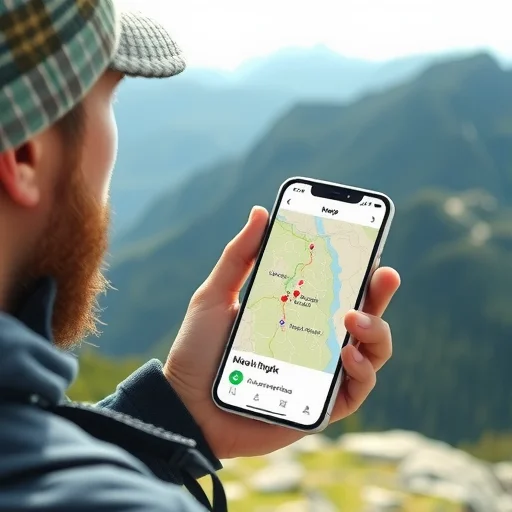
Heads-up: If you’re driving on the Transfăgărășan or Transalpina highways, Orange’s coverage is noticeably better. I used a local Orange eSIM and had signal where friends on other networks didn’t. Worth it for peace of mind.
Airalo was perfect for my 7-day Bucharest and Brașov trip. 10GB cost around $22, installed before I left. Had coverage everywhere in the cities. No need for a local number since I used WhatsApp.
Used Orange Travel eSIM for 2 weeks in Romania—Bucharest, Transylvania, Carpathian Mountains. 50GB for €15 with a local number. Coverage was flawless even in remote villages and on mountain roads. Highly recommend for longer trips.
For multi-country Europe trips, regional eSIMs are the way to go. Used a Nomad Europe plan that worked in Romania, Hungary, and Bulgaria. So much easier than buying separate plans.