
If you’ve ever needed to buy a new SIM card—whether for a new phone, international travel, or switching carriers—you’ve probably encountered terms like “standard SIM,” “micro SIM,” “nano SIM,” and more recently, “eSIM.” The variety can be confusing, but the differences are actually straightforward. SIM cards have evolved over the years from larger physical formats to smaller ones, and now to a completely digital format. This guide breaks down all the different kinds of SIM cards, their sizes, uses, and how to choose the right one for your device.
First, let’s understand what a SIM card is. SIM stands for Subscriber Identity Module. It’s a small chip that securely stores your phone number, network authentication details, and sometimes contacts. It’s what tells the mobile network who you are and allows you to make calls, send texts, and use data. Over the years, the physical size of SIM cards has shrunk dramatically to fit increasingly slim phones, while the functionality has remained largely the same.
The first SIM cards were the same size as a credit card—full-size SIMs. These were common in the early days of mobile phones (think 1990s brick phones). You rarely see these today, except in some specialized industrial equipment. The chip itself was embedded in a large plastic card that you inserted into the phone.
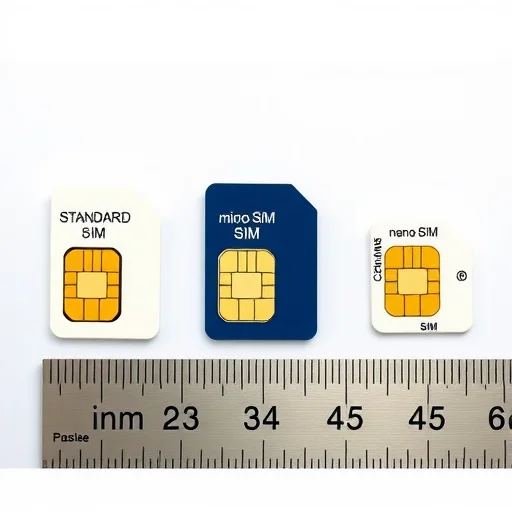
As phones got smaller, so did SIM cards. The **standard SIM** (also called mini SIM) became the norm for years. It measures 25mm × 15mm. You’ll still find these in some older phones, but they’ve largely been replaced. Many SIM cards today come as a multi‑size punch‑out card: you can pop out the size you need.
The **micro SIM** came next, measuring 15mm × 12mm. It was introduced around 2010 and was used in phones like the iPhone 4 and early Samsung Galaxy models. It’s essentially a standard SIM with extra plastic trimmed off. If you have a standard SIM, you can often punch it down to micro size.
The **nano SIM** is currently the most common physical SIM format. It measures just 12.3mm × 8.8mm—almost entirely chip with very little plastic. Introduced in 2012 with the iPhone 5, nano SIMs are used in virtually all modern smartphones that still have a physical SIM slot. If you’re buying a physical SIM for a recent phone, it’s almost certainly nano size.
Now, let’s talk about **multi‑size SIM cards**. When you buy a prepaid SIM from a carrier or convenience store, it often comes as a credit‑card‑sized card with a large plastic frame. Inside, you’ll find perforated outlines for standard, micro, and nano SIMs. You simply pop out the size that matches your phone. This makes one SIM card compatible with almost any device. If you’re unsure what size your phone needs, a multi‑size SIM is the safest bet.
Beyond physical sizes, there are also different **types of SIM cards based on functionality and use case**. The most common distinction is between prepaid and postpaid SIMs.
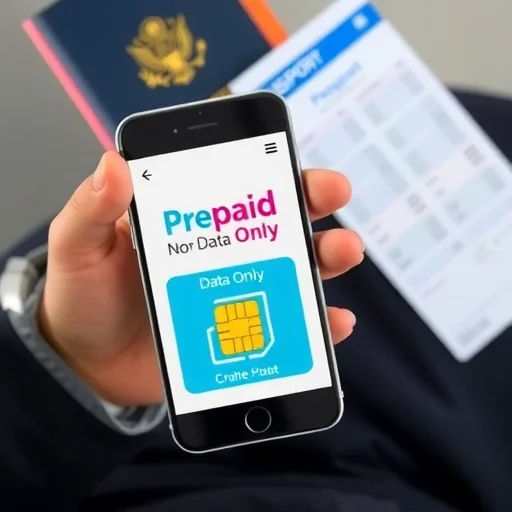
**Prepaid SIMs** are pay‑as‑you‑go. You buy a card with a certain amount of data, talk time, and texts, and you use it until the balance runs out or the validity expires. Prepaid SIMs are popular for travelers, people who want to control spending, and those who don’t want a long‑term contract. You can find them at airports, convenience stores, and carrier shops.
**Postpaid SIMs** are tied to a monthly contract. You sign up with a carrier, choose a plan, and get a bill at the end of the month. Postpaid SIMs often offer better rates for heavy users, include device financing, and may come with perks like streaming subscriptions. These are typically activated with a carrier store visit or online registration.
There’s also the distinction between **data‑only SIMs** and **full‑service SIMs**. Data‑only SIMs provide only mobile data—no voice calls or SMS. They’re common in tablets, mobile hotspots, and for travelers who use VoIP apps like WhatsApp or FaceTime for calls. Full‑service SIMs include voice, SMS, and data.
Now, let’s introduce **eSIM**. An eSIM (embedded SIM) is not a physical card at all. It’s a digital SIM profile embedded directly into your phone’s hardware. Instead of inserting a card, you download a carrier profile via a QR code or app. eSIMs can store multiple profiles, and you can switch between them without ever touching a SIM tray. eSIMs are increasingly common in newer phones—all iPhones from the XS/XR onward, many Google Pixels, and recent Samsung Galaxy models support them. In the US, iPhone 14 and later models are eSIM‑only, with no physical SIM slot.
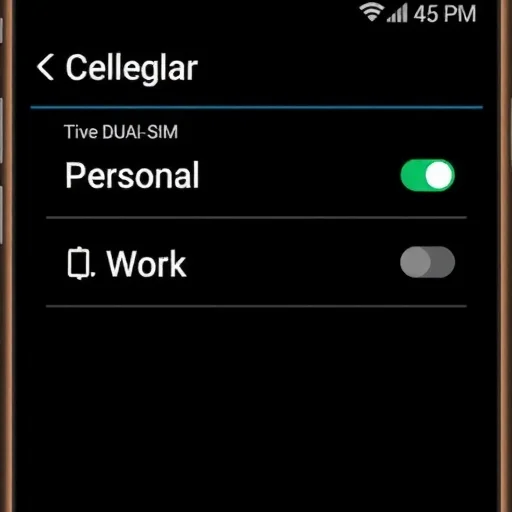
Another specialized type is the **dual‑SIM configuration**. Some phones have two physical SIM slots, allowing you to use two lines simultaneously. Others offer one physical SIM and one eSIM, or two eSIMs. This is especially useful for travelers who want to keep their home number active while adding a local data plan, or for people who separate work and personal lines.
There’s also **roaming SIMs** and **travel SIMs**. These are specialized prepaid SIMs designed for international travel. Some, like OneSIM or TravelSim, offer a single SIM that works in multiple countries with competitive roaming rates. Others are destination‑specific—you buy a SIM for a particular country or region. Travel SIMs can be physical or eSIM. Global eSIM providers like Airalo and Nomad have largely replaced physical travel SIMs for many travelers, offering data‑only eSIMs for hundreds of destinations.
**IoT SIMs** are a less common but growing category. These are SIM cards designed for Internet of Things devices—think smart meters, vehicle trackers, or security cameras. They often have special data plans optimized for low‑bandwidth, infrequent use, or long‑term deployment. They can be physical or eSIM.
Now, how do you choose the right kind of SIM? First, determine what size your phone needs. If your phone has a physical SIM slot, check its specs or the current SIM to see if it’s standard, micro, or nano. Most newer phones use nano. If you have a newer iPhone (14 or later in the US), you have no physical slot—you must use eSIM. For Android phones, check the manufacturer’s specs.
Next, decide whether you need prepaid or postpaid. For travel or temporary use, prepaid is simpler. For long‑term service with a primary carrier, postpaid may offer better rates and features.
Consider whether you need voice and SMS or just data. If you use WhatsApp, FaceTime, or other internet‑based apps for calling, data‑only is often sufficient. If you need a traditional phone number for calls or SMS verification, you’ll want a full‑service SIM.
Finally, if you travel frequently, eSIM is a game‑changer. You can buy and install plans before you go, keep your home SIM active, and avoid physical card swaps.
I recently helped a friend who was switching to a new iPhone. She didn’t realize the US model was eSIM‑only and was expecting to transfer her physical SIM. We walked through setting up an eSIM with her carrier via QR code, and it took five minutes. Now she has a clean phone without a SIM tray.
Another friend, a frequent traveler, still prefers physical SIMs because she likes buying local prepaid cards in markets and has an older phone. She uses a multi‑size SIM card when needed, popping out the nano size for her current device.
Ultimately, the different kinds of SIM cards—from full‑size to nano, physical to eSIM, prepaid to postpaid—exist to match the diversity of devices and user needs. Understanding the formats and options ensures you’ll get the right connectivity, whether you’re setting up a new phone, traveling abroad, or simply replacing a lost card. SIM cards come in physical sizes: standard, micro, and nano (most common today). Multi-size punch-out cards cover all three. eSIM is a digital, embedded SIM with no physical card. Types also include prepaid (pay‑as‑you‑go), postpaid (monthly contract), data‑only, and full‑service. Choose based on your phone’s slot, travel needs, and whether you need voice/SMS.
eSIMvsPhysicalSIMFINISHED
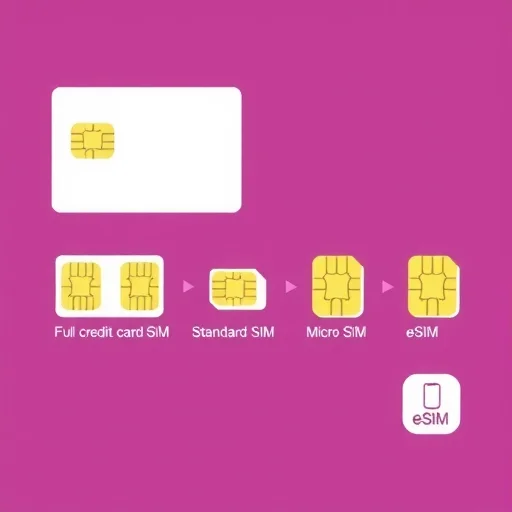
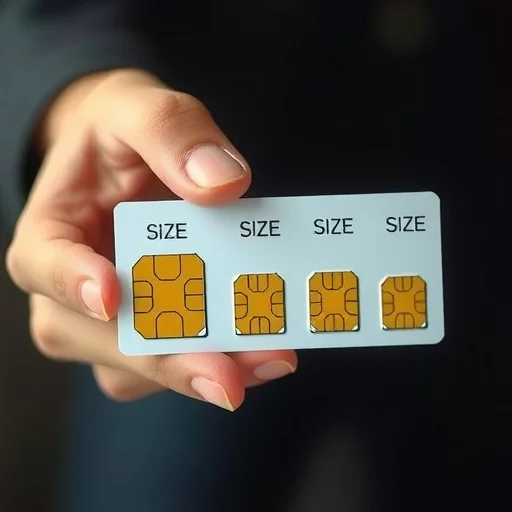
This guide cleared up so much confusion! I didn’t realize there were multiple physical sizes. I’ve been using a nano SIM in my phone but had no idea what the other sizes were for. Great visual timeline.
eSIM is the future. I switched to eSIM on my Pixel and love that I don’t have to fiddle with a SIM tray anymore. Also great for travel—just download a local plan and go.
Important tip: When buying a SIM card, always get the multi-size punch-out version if available. It saves you from buying the wrong size. I’ve made that mistake before—now I know!
I travel a lot and still use physical SIMs. In some countries, local prepaid SIMs are way cheaper than eSIM options, and I like having a physical card. But this guide helped me understand when eSIM makes sense.
The dual‑SIM section was super helpful. I use a physical SIM for my personal line and an eSIM for work. One phone, two numbers. Perfect for keeping things separate without carrying two devices.