
If you’re planning a trip to the United States—whether it’s the bustling streets of New York, the sunny beaches of California, or the national parks of the West—staying connected is essential. You’ll want reliable data for maps, ride‑hailing apps like Uber and Lyft, and staying in touch with family. A digital SIM card (eSIM) is the most convenient way to get online in the US, allowing you to purchase a plan before you leave and activate it the moment you land. This guide explains everything you need to know about digital SIM cards for the US, including the best providers, plan options, and how to choose based on your coverage needs.
The United States has three major mobile network operators: T‑Mobile, AT&T, and Verizon. Each has distinct strengths. Verizon has the most extensive coverage overall, particularly in rural areas and along interstate highways—essential if you’re road‑tripping through national parks or driving across states. AT&T offers solid coverage across both cities and rural regions. T‑Mobile has excellent urban coverage and fast 5G in major cities, and it’s often the most affordable option. When choosing a digital SIM for the US, understanding which network your eSIM uses is crucial. For travelers sticking to cities like New York, Los Angeles, or Chicago, T‑Mobile is usually sufficient. For those venturing into national parks or rural America, Verizon or AT&T are better bets.
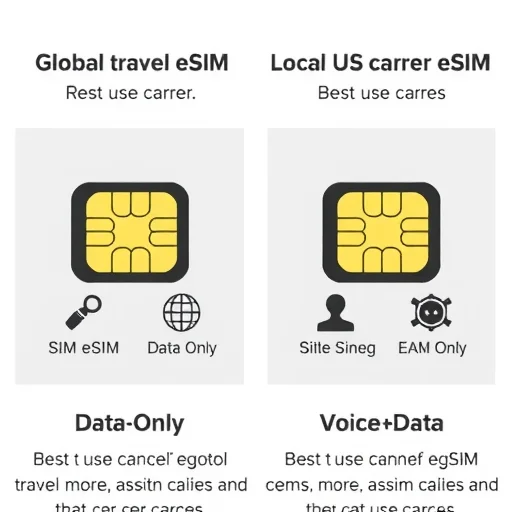
There are two main types of digital SIM cards for the US: global travel eSIMs and local US carrier eSIMs.
**Global travel eSIMs** are offered by providers like Airalo, Nomad, Holafly, and Ubigi. These are designed specifically for travelers. They are data‑only (no voice or SMS, though some now offer voice options) and you can buy them online before you travel. You install them via QR code, and they activate when you land. They typically operate on T‑Mobile’s network, though some offer AT&T as an option. These are ideal for short trips (3 to 14 days) and for travelers who only need data for maps, messaging, and social media. Plans range from 1GB to 20GB or unlimited, with prices from $10 to $50.
**Local US carrier eSIMs** are offered directly by US mobile operators like T‑Mobile, AT&T, and Verizon. These are full‑service eSIMs that give you a local US phone number, voice, SMS, and data. They are often better value for longer stays (two weeks or more) or if you need a local number for calls, SMS verification, or using local services. You can purchase them online before travel (with passport verification) or at carrier stores and airport kiosks upon arrival.
So which should you choose? Let’s match them to travel styles.
If you’re taking a short trip (5 to 10 days) and only need data for maps, ride‑hailing, and social media, a global travel eSIM is the simplest choice. You can buy it before you leave, install it at home, and have data the moment you land. No passport registration, no store visit. For a 10‑day trip, a 5GB or 10GB plan usually costs between $15 and $30. Providers like Airalo and Nomad have user‑friendly apps and reliable service.
If you’re staying longer (two weeks or more), or if you need a local US phone number for calls or SMS verification (for example, to make restaurant reservations, use ride‑hailing apps that require a US number, or for business), a local US carrier eSIM often provides better value. For example, T‑Mobile’s “Tourist Plan” offers 15GB of data, unlimited talk and text for about $40 for 30 days. AT&T and Verizon offer similar prepaid eSIM plans. These can be purchased online (with passport verification) or at airport kiosks. The extra step is worth it for the cost savings and the local number.
Now, let’s look at specific providers.
**Airalo** offers US plans that typically run on T‑Mobile’s network. Its plans are data‑only, with options ranging from 1GB to 20GB. Airalo’s app is polished, and its customer support is responsive. It’s a great choice for travelers who want a simple, reliable experience for short city trips.
**Nomad** offers both fixed‑total and daily‑cap plans for the US. Its plans usually use T‑Mobile. Nomad’s daily‑cap plans (e.g., 1GB per day) are popular with travelers who want predictable daily usage.
**Holafly** specializes in unlimited data plans. If you’re a heavy user—streaming, video calls, tethering—Holafly’s unlimited US plan is appealing. It typically uses T‑Mobile’s network. However, it’s more expensive than fixed‑total plans for light users.
**Ubigi** offers US plans that typically use T‑Mobile or AT&T. It’s known for reliable connectivity and easy top‑ups.
**T‑Mobile** (local carrier) offers a prepaid eSIM “Tourist Plan” that can be purchased online or at T‑Mobile stores. For about $40, you get 15GB of data, unlimited talk and text for 30 days. You’ll need to show your passport for registration. This is an excellent value for longer stays.
**Verizon** (local carrier) offers prepaid eSIMs with unlimited talk and text and data allowances like 15GB for $45–$55 per month. Verizon’s network is the best for rural coverage. If you’re road‑tripping through national parks, Verizon is worth the premium.
Let’s walk through a few real‑world examples.
A friend of mine traveled to New York and Los Angeles for 10 days. She only needed data for maps, Uber, and Instagram. She bought a 10GB Airalo eSIM for $25. She installed it at home, and it activated when she landed. She had data immediately and used it across both cities. She kept her home SIM active for calls (with roaming off). She was very happy with the simplicity.
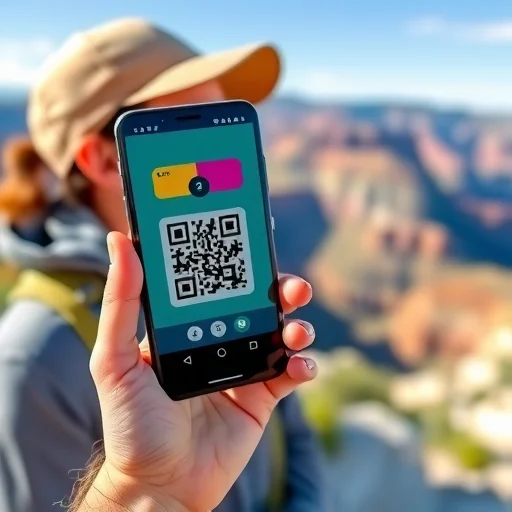
Another friend spent a month road‑tripping through Utah and Arizona, visiting national parks. He needed reliable coverage in rural areas and also wanted a local US number for calling hotels and roadside assistance. He bought a Verizon prepaid eSIM online before his trip. For about $50, he got 15GB of data, unlimited talk and text, and a US number. He installed it at home, and it activated when he landed. He had coverage in places where friends on T‑Mobile‑based eSIMs had none. He said the extra cost was absolutely worth it for the peace of mind.
A third friend visited the US for a week for business. He needed a local number for calls and a generous data allowance. He bought a T‑Mobile Tourist eSIM at the airport upon arrival. For $40, he got 15GB and unlimited talk/text. The staff helped him install it, and he was set in minutes.
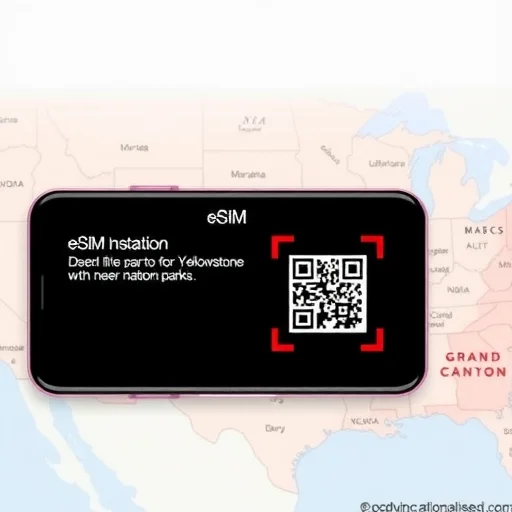
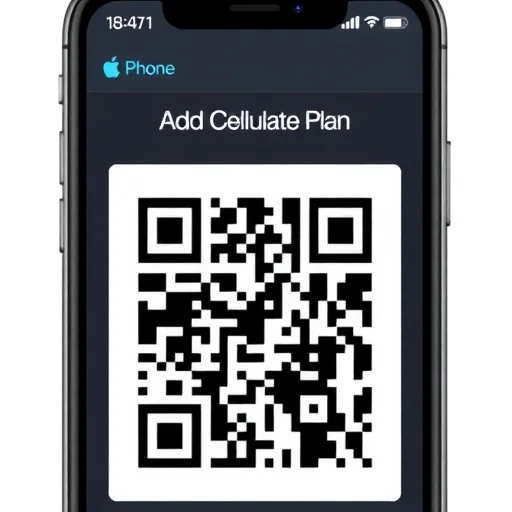
Installation for all digital SIMs is similar. On iPhone: Settings > Cellular > Add Cellular Plan. On Android: Settings > Connections > SIM Manager > Add eSIM. Scan the QR code you received. The profile downloads. You can label it (e.g., “US Data”) and set it as your default for data. When you arrive in the US, ensure the eSIM is enabled and turn off data roaming on your home SIM to avoid charges.
One important note: if you buy a local US carrier eSIM online, you’ll need to upload a photo of your passport for identity verification. This is required by US law and usually takes a few minutes to a few hours. Global travel eSIMs generally do not require verification.
What about compatibility? Most modern smartphones support eSIM: iPhones from XS/XR onward, Google Pixels 3 and newer, Samsung Galaxy S20 and newer, and many others. If your phone doesn’t support eSIM, you can still use a physical SIM card—but for the US, eSIM is far more convenient.
Ultimately, a digital SIM card is the best way to stay connected in the US. Whether you choose a global travel eSIM for short city trips or a local US carrier eSIM for longer stays and rural coverage, you’ll have reliable data from the moment you land. With coverage from top networks like Verizon, AT&T, and T‑Mobile, you can navigate, share, and stay connected with ease. For the US, a digital SIM card (eSIM) is the most convenient way to stay connected. Choose a global travel eSIM (Airalo, Nomad) for short city trips and data‑only needs. Choose a local US carrier eSIM (T‑Mobile, Verizon, AT&T) for longer stays, rural coverage, or when a local US phone number is required. Install before travel via QR code.
DigitalSIMUSAFINISHED
Used Airalo for a week in NYC and Chicago. 5GB was plenty for maps, Uber, and Instagram. Installed before I left, worked perfectly. Highly recommend for city trips.
Important tip: If you need a local US number for calls or SMS, go with a local carrier eSIM. I used T‑Mobile Tourist Plan—$40 for 15GB and unlimited talk/text. Perfect for my month‑long stay.
eSIM is so convenient. No need to find a SIM card at the airport. I installed Ubigi before I left and had data immediately. Never going back to physical SIMs.
I road‑tripped through Utah and Arizona for 3 weeks. Went with a Verizon prepaid eSIM. Had coverage in national parks where friends on T‑Mobile had nothing. Worth every penny for rural coverage.
I used Holafly’s unlimited plan for a week in LA. Streamed music, video calls, never worried about data. Great for heavy users.