
If you’ve been traveling recently or even just browsing for a better mobile plan, you’ve probably seen ads for eSIM plans priced as low as $5. Your first reaction might be skepticism—how can a data plan cost less than a sandwich? The good news is that many of these budget eSIM plans are legitimate, but they come with important trade-offs that aren’t always obvious upfront. In this guide, I’ll break down exactly what you get for $5, how to compare plans effectively, and which scenarios make these low-cost eSIMs a smart choice versus when you’re better off spending a bit more.
First, let’s understand why $5 eSIM plans exist at all. Traditional mobile carriers invest heavily in physical infrastructure—towers, retail stores, customer service centers—and pass those costs to consumers through monthly postpaid plans that often start at $40 or more. eSIM providers operate differently. Most of them are what’s called “MVNOs” (Mobile Virtual Network Operators). They don’t build their own networks; instead, they lease access from existing carriers in each country at wholesale rates. Since they have no physical stores and minimal overhead, they can offer data-only plans at dramatically lower prices. The $5 plan you’re seeing typically includes a fixed amount of data—often 1GB, 3GB, or sometimes 5GB—valid for a specific period, usually 7 to 30 days. These plans are designed for travelers, remote workers, or anyone who wants a secondary data line without committing to a long-term contract.
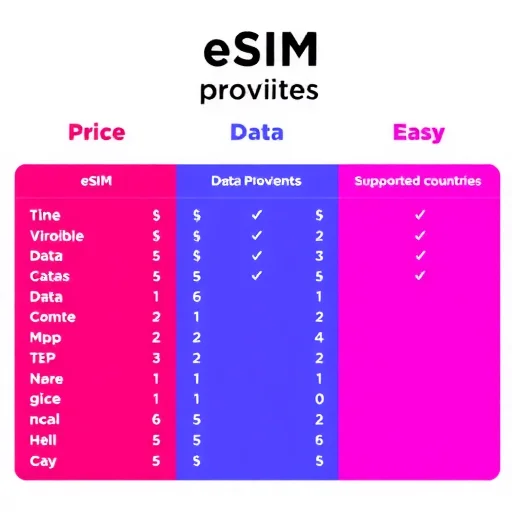
Now, here’s what you need to know before hitting “buy.” Not all $5 eSIMs are created equal. The first thing to check is the data allowance and validity period. Some providers advertise $5 for 1GB valid for 7 days, while others offer 3GB for the same price but valid for only 3 days. Calculate cost per gigabyte per day to get a true comparison. A plan that gives you 1GB over 7 days might be perfect for light usage like maps, messaging, and occasional browsing. But if you plan to stream video or join video calls, that same 1GB could disappear in a few hours.
The second critical factor is network coverage. Since eSIM providers lease access from local carriers, the quality of your connection depends entirely on which carrier they’ve partnered with in your destination. A $5 plan that uses a premium carrier like T-Mobile in the US or Vodafone in Europe will give you excellent coverage. But a plan that uses a budget or regional carrier might leave you with slow speeds or dead zones, especially in rural areas. Always check the provider’s website for the specific network partner in your destination country, and look for recent user reviews about real-world speeds and coverage.
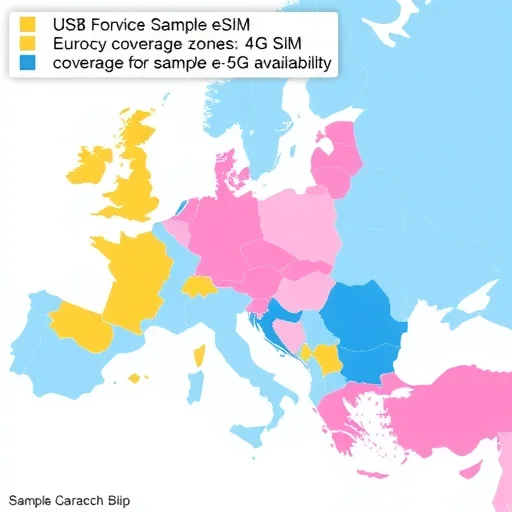
Third, pay attention to data speed and throttling policies. Many budget eSIMs advertise “high-speed data” but then fine-print that speeds drop to 128kbps or 256kbps after you exceed your included data. That’s barely enough for messaging apps and email—forget about loading images or streaming. Some providers also deprioritize their traffic, meaning if the local network gets congested, your data gets slowed down while direct customers of the primary carrier maintain full speed. If reliable, consistent speed matters to you—for work calls, video streaming, or navigation—it’s worth reading the fine print or even paying a few dollars more for a plan with higher priority access.
Let’s walk through a typical use case. Sarah, a freelance writer, was traveling through Southeast Asia for three weeks. She needed data for maps, messaging clients, and occasional research, but didn’t need high-speed video streaming. She purchased a $5 eSIM from a reputable provider that offered 3GB valid for 30 days, with coverage in all six countries she planned to visit. The provider used a major local carrier in each country, and speeds were consistently fast enough for her needs. Total cost for the entire trip: $5. By contrast, her friend who was on a traditional roaming plan from their home carrier paid over $60 for similar usage.
But here’s where the $5 plan doesn’t work. Another traveler, Mark, bought a $5 plan that offered “unlimited data” but didn’t realize the fine print said speeds were capped at 1Mbps after the first 500MB. He tried to join a video conference from his hotel and found the connection kept dropping. He ended up having to buy a more expensive local SIM to finish his work calls. In his case, the cheapest option ended up costing more in frustration and ultimately more money than if he’d chosen a slightly higher-tier plan from the start.
So how do you make the right choice? Start by honestly assessing your needs. Ask yourself: How much data do I actually use daily? For light usage—messaging, maps, email—500MB to 1GB per day is usually plenty. For moderate usage—social media, music streaming, occasional video—plan on 1GB to 2GB per day. For heavy usage—video calls, HD video streaming, frequent large file downloads—you’ll want 3GB or more daily. Next, check the coverage map for your exact destinations. If you’re staying in major cities, most budget eSIMs will work fine. If you’re heading to remote areas, national parks, or rural regions, look for a provider that partners with the strongest local carrier. Finally, read recent reviews on sites like Reddit or Trustpilot. Real users will tell you whether speeds are consistent, whether activation is smooth, and whether customer support actually helps when something goes wrong.
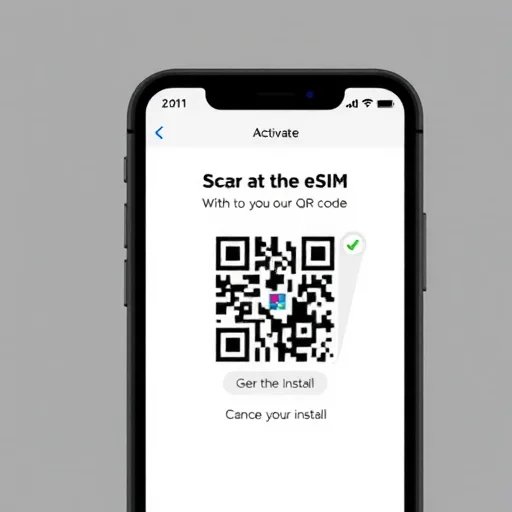
One often-overlooked advantage of $5 eSIM plans is the flexibility they offer. You can install multiple eSIM profiles on your phone and switch between them based on your needs. For example, you might keep your primary physical SIM for calls and texts, then add a $5 data-only eSIM for travel, and another eSIM for a specific country you visit frequently. There’s no contract, no credit check, and you can purchase and activate a new plan entirely from your phone in under five minutes. This flexibility is especially valuable for remote workers, frequent travelers, and digital nomads who need connectivity across multiple countries without managing a dozen physical SIM cards.
To summarize how to pick the right $5 eSIM: Look beyond the price tag. Compare cost per gigabyte and validity period. Verify network partners and coverage in your specific destinations. Understand speed policies and throttling thresholds. Match the plan’s data allowance to your actual usage patterns. And always have a backup option—whether that’s a secondary eSIM or a traditional SIM—for critical situations where you absolutely need reliable connectivity.
The bottom line is that $5 eSIM plans are a fantastic tool when you choose them wisely. They’re not a one-size-fits-all solution, but for light to moderate data users who travel frequently, they can save you hundreds of dollars a year compared to traditional roaming. The key is understanding the trade-offs and selecting a plan that matches your actual needs rather than just the lowest price. When you get that right, you really can have reliable, affordable connectivity for less than the cost of lunch. Low-cost $5 eSIM plans offer affordable, flexible data for travelers and remote workers, but success depends on understanding network coverage, data speed policies, and matching the plan to your actual usage patterns. Compare cost per gigabyte, verify local carrier partners, and read real user reviews before purchasing.
As someone who travels for work constantly, I keep a few eSIM profiles installed at all times. The ability to switch between them when I land in a new country is a game-changer. No more hunting for SIM vending machines at the airport at midnight.
I used a $5 eSIM on a two-week trip to Japan and it worked perfectly. Got 5GB for 15 days, coverage was excellent even in smaller towns, and activation was literally scanning a QR code. Highly recommend for travelers who just need maps and messaging.
The deprioritization thing is real. I was at a music festival and everyone was on the network, my cheap eSIM basically stopped working while friends on local carrier plans were fine. If you need reliable data in crowded places, spend a bit more.
Important to add: check if the eSIM supports tethering! I bought one thinking I could share data with my laptop and it wasn’t allowed. The fine print said “data only, no hotspot.” So if you need to work on a laptop, make sure hotspot is included.
Honestly, I tried two different $5 eSIMs in Europe and had mixed results. First one was great in cities but useless in rural areas. Second one cost $2 more but had way better coverage. You really get what you pay for sometimes.