
You’ve booked your flight, mapped out your itinerary, and you’re ready to experience Japan—but then you hit the connectivity question. How do you stay online for maps, translations, and staying in touch without getting lost or overpaying? The good news is that Japan has one of the most reliable and traveler-friendly mobile networks in the world, and getting a data SIM is straightforward if you know your options. The core solution boils down to three main paths: picking up a physical SIM at the airport, using an eSIM that you activate before arrival, or renting a portable Wi-Fi device. Each has its strengths depending on your travel style, device compatibility, and data needs. By the end of this guide, you’ll know exactly which option suits your trip.
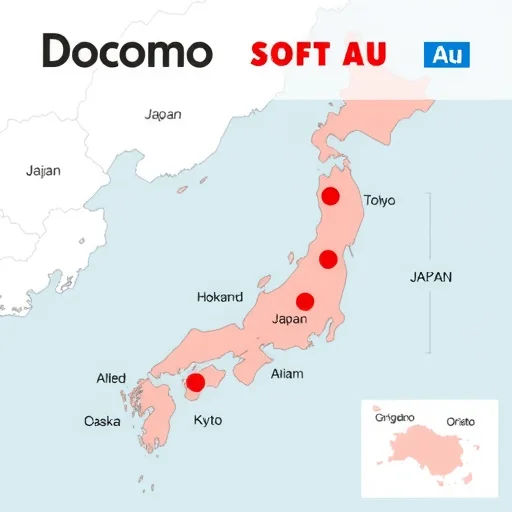
First, let’s understand how mobile data works in Japan. The country has three major carriers—NTT Docomo, au (KDDI), and SoftBank—all of which offer extensive coverage. Docomo historically has the widest reach, especially in rural areas and mountainous regions like the Japanese Alps or Hokkaido’s countryside. SoftBank and au have excellent coverage in cities and along major transit routes. Most prepaid SIM cards and eSIMs sold to travelers operate on one of these three networks. Unlike some countries where you might find spotty coverage outside city centers, Japan’s network density is impressive, but choosing a SIM that uses Docomo’s network is still a safer bet if your itinerary includes rural areas or smaller islands.
Now, let’s dive into the most popular option: eSIM. If your phone supports eSIM—most recent iPhones (XR and later), Google Pixels, and high-end Samsung Galaxy models do—this is often the most convenient choice. You can purchase an eSIM plan online before you leave home from providers like Airalo, Holafly, or Ubigi. The process is entirely digital: you buy a data package, receive a QR code or install it through an app, and add it to your phone. Many eSIMs are designed to activate automatically once you land in Japan and connect to a local network. The beauty of this method is zero hassle at the airport—no hunting for a SIM vending machine or standing in line at a counter. You simply turn on the eSIM upon arrival, and you’re online. The main trade-off is that most traveler-focused eSIMs are data-only; they don’t include a Japanese phone number for calls or SMS. For most travelers, this is fine because apps like WhatsApp, LINE, and Google Maps work perfectly over data. However, if you need to make local phone calls or receive verification texts, you’ll want a SIM that includes voice services.
The second option is buying a physical SIM card at the airport. Japan’s major international airports—Narita, Haneda, Kansai, and others—have multiple SIM vending machines and dedicated counters from providers like Japan Wireless, Mobal, and Sakura Mobile. These SIMs typically offer data-only plans, and you can choose durations ranging from a few days to several weeks. Prices are competitive, and you can often find plans with 5GB to 30GB of data. The advantage is that you can pay with cash or card and get instant assistance if you have any activation questions. The downside is that airport counters can have lines during peak arrival times, and physical SIMs require you to have a SIM eject tool (though most counters provide one). Also, keep in mind that your phone must be unlocked to accept a foreign SIM.
The third option is renting a portable Wi-Fi hotspot. This was extremely popular in Japan before eSIMs became widespread, and it still has its loyal fans. You rent a small device that creates a personal Wi-Fi network you can connect multiple devices to—phones, tablets, laptops. Providers like Japan Wireless, Global Advanced Communications, and Ninja WiFi offer delivery to your hotel, the airport, or your home country before departure. The advantages are strong: you can connect up to 5 to 10 devices, battery life typically lasts a full day, and you often get truly unlimited data without throttling. For families or groups traveling together, this can be more cost-effective than buying individual SIMs. The drawbacks are that you have to carry an extra device, keep it charged, and return it before leaving Japan. Also, if you split up from your travel companions, only the person carrying the hotspot stays connected.
Now, let’s talk about the practical steps to ensure a smooth experience. First and foremost, verify that your phone is unlocked. If you bought your phone from a carrier in your home country, it may be locked to that network. Contact your carrier before traveling to request an unlock—most will do this for free if you’ve paid off your device. Second, check frequency compatibility. Japan uses different LTE bands than North America or Europe. Most modern smartphones support the necessary bands, but older models may have issues, particularly with the higher-frequency bands used in urban areas. A quick online search for your phone model plus “Japan compatibility” will give you peace of mind. Third, if you’re going with eSIM, install it before you leave home while you still have a reliable internet connection. Test that it’s installed correctly, but don’t activate it until you land—otherwise you might start your data plan early.
Let me share a real example. Tom, a solo traveler from Australia, was visiting Tokyo, Kyoto, and Hiroshima for 10 days. He had an iPhone 14, which supports eSIM, and his main needs were Google Maps,
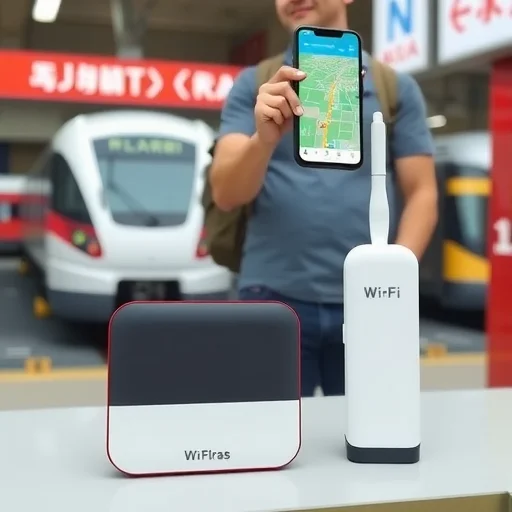
For a different scenario, consider a family of four traveling to Japan for two weeks. They had two teenagers with their own phones, plus parents needing to check emails and maybe use a laptop in the evenings. For them, a portable Wi-Fi hotspot made sense. They rented a device from a provider that delivered it to their first hotel in Tokyo. The hotspot had unlimited data and could connect all four phones plus the laptop simultaneously. The family paid one flat fee instead of four separate SIMs, and they appreciated having a single device to manage. The only thing they noted was that the battery lasted about 10 hours, so they carried a portable charger on full-day outings.
One important factor to consider is data usage while traveling in Japan. You’ll likely use more data than you expect—Google Maps alone can consume a fair amount, and if you’re streaming music, uploading photos, or using translation apps constantly, it adds up. For a one- to two-week trip, 5GB is usually enough for light use (maps, messaging, occasional browsing). For heavier use—especially if you’re sharing a hotspot or streaming video—aim for 10GB to 20GB or consider an unlimited plan. Also note that Japan’s networks are incredibly fast, especially in cities where 5G is widely available. If your phone supports 5G and you purchase a plan that includes it, you’ll enjoy blazing speeds for downloading maps, streaming, and video calls.
A final tip: if you’re traveling to rural areas like the Japanese Alps, Shikoku’s remote temples, or Okinawa’s outer islands, prioritize a SIM or eSIM that uses NTT Docomo’s network. Docomo has the most extensive rural coverage. Most reputable eSIM providers and airport SIM sellers will clearly state which network they use—look for “Docomo” in the description. Also, download offline maps in Google Maps before you leave for the day as a backup; even the best networks can have gaps in deep mountain valleys.
Getting connected in Japan doesn’t have to be stressful. With modern eSIM options, the process has never been simpler. Choose eSIM for solo travelers or anyone with a compatible unlocked phone who wants the ultimate convenience. Choose a physical airport SIM if you prefer paying in person and want immediate assistance. Choose a portable Wi-Fi hotspot if you’re traveling with a group or need to connect multiple devices with truly unlimited data. Whatever you pick, Japan’s mobile infrastructure will keep you reliably connected from the neon streets of Tokyo to the serene temples of Kyoto and beyond. The best Japan data SIM depends on your device and travel style. eSIM offers instant activation and convenience for solo travelers with unlocked modern phones. Physical airport SIMs provide in-person setup. Portable Wi-Fi hotspots are ideal for groups needing multiple device connections. Prioritize NTT Docomo network coverage for rural travel.
I went with a physical SIM from a vending machine at Kansai Airport because my phone doesn’t support eSIM. It was super easy—just followed the instructions, popped it in, and it worked. Paid around ¥4,000 for 10GB and it lasted my whole 12-day trip.
Portable Wi-Fi hotspot saved us as a family of five. We rented one device with unlimited data and everyone stayed connected. Just remember to bring a portable charger because the battery drains faster if you’re using it heavily all day.
Make sure your phone is unlocked before you go! I almost learned this the hard way. Called my carrier two weeks before my trip and got it unlocked for free. If you forget, you might be stuck using airport Wi-Fi only.
eSIM was absolutely the way to go for my solo trip. Landed at Narita, turned off airplane mode, and I had service before I even got to immigration. Used it for two weeks without a single issue. 10GB was plenty for maps, social media, and video calls home.
Heads-up for anyone with a Pixel 6 or newer: eSIM works perfectly. I used Ubigi and chose the Docomo network option. Had great coverage even when I took a day trip to Nikko and into the mountains. No complaints at all.