
If you’re planning a trip to Malaysia—whether you’re exploring the hypermodern skyline of Kuala Lumpur, trekking through the ancient rainforests of Borneo, or island‑hopping in Langkawi—staying connected is probably high on your list. You’ll want reliable data for Grab (the region’s go‑to ride‑hailing and food delivery app), navigating winding roads,
Malaysia has a well‑developed mobile network landscape. The country’s main carriers—CelcomDigi, Maxis, and U Mobile—offer extensive 4G coverage, with 5G rolling out across major cities and tourist areas. However, coverage can vary significantly between West Malaysia (the peninsula) and East Malaysia (Sabah and Sarawak on Borneo). CelcomDigi is widely regarded as having the most consistent coverage across both regions, especially in more remote areas like national parks and island resorts. Maxis (through its brand Hotlink) offers excellent urban speeds but may have thinner coverage in rural parts of Borneo. U Mobile is a strong contender in cities but can be less reliable off the beaten path. An eSIM lets you tap into these networks instantly, without hunting for a physical SIM at the airport or dealing with card swaps when you’re jet‑lagged.
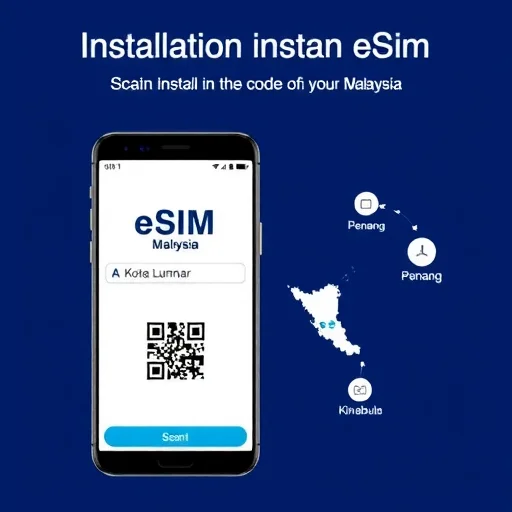
The key to picking the best eSIM for Malaysia comes down to three factors: the underlying network partner, the plan structure, and your travel itinerary. Not all eSIM providers are transparent about which local network they use, so it pays to look closely. If your trip includes both the peninsula and East Malaysia—for example, starting in KL, then flying to Sabah for a Kinabalu Park visit—prioritizing an eSIM that uses CelcomDigi’s infrastructure will give you the most consistent experience across both regions. If you’re staying primarily in Kuala Lumpur, Penang, or Johor Bahru, Maxis‑based eSIMs can offer blazing 5G speeds. If you’re on a budget and sticking to cities, U Mobile‑based plans can be a good value.
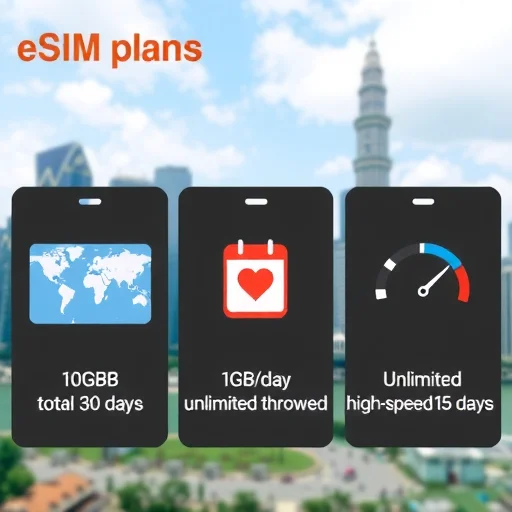
Next, consider how you actually use data. eSIM plans for Malaysia generally fall into three categories. Fixed‑total plans give you a set amount of data—say, 5GB, 10GB, or 20GB—that you use until it runs out, valid for a certain period like 7, 15, or 30 days. These are great for light to moderate users who mainly need maps, Grab, messaging, and occasional social media. Daily‑cap plans offer a certain amount of high‑speed data per day (for example, 1GB or 2GB) followed by unlimited but throttled speeds. These provide predictable daily usage and are popular with travelers who stream music or use navigation for hours each day. Unlimited high‑speed plans are ideal for heavy users—digital nomads, streamers, or anyone on video calls—though they come at a higher price point. Your choice should reflect how much you rely on mobile data versus hotel or café Wi‑Fi, which can be abundant in cities but less so in rural areas or on islands.
So which specific eSIM should you consider? For short trips (3 to 5 days) focused on Kuala Lumpur or Penang, a compact fixed‑data eSIM from a reputable global provider like Airalo, Nomad, or Saily works perfectly. You can often get 5GB for around $10 to $15, which is more than enough for navigating, using Grab, and keeping up with social media. Installation takes a few minutes, and the plan activates upon arrival. For week‑long stays (7 to 10 days) that include multiple destinations—say, KL, the Cameron Highlands, and Langkawi—a daily‑cap plan can offer better peace of mind. If you’re using navigation for hours on winding mountain roads or streaming music while island‑hopping, knowing you have a set high‑speed amount each day prevents any mid‑trip slowdowns. For travelers staying two weeks or longer, or those planning extensive travel in Sabah and Sarawak, consider an eSIM that explicitly uses CelcomDigi and offers a generous data allowance. Some travelers also opt for a direct local prepaid eSIM from CelcomDigi or Maxis (through their apps or airport kiosks), which can sometimes offer better value for longer stays and include a local Malaysian phone number.
One detail that catches many travelers by surprise: some eSIMs are data‑only. That means WhatsApp, Skype, and FaceTime work perfectly, but you won’t have a traditional phone number for voice calls or SMS verification. For most travelers, this is fine—Grab, food delivery apps, and hotels typically work with international numbers or in‑app messaging. However, if you need a local number for services like registering for a local tour that sends SMS confirmations, or for making traditional phone calls to remote accommodations, look for an eSIM that includes voice and SMS. CelcomDigi’s “Xpax Prepaid” and Maxis’ “Hotlink Prepaid” both offer tourist eSIM options with a full Malaysian number, which can be purchased online or at the airport.
Another practical consideration: Malaysia’s 5G rollout is ongoing. As of now, 5G coverage is strongest in Kuala Lumpur, Selangor, Penang, and Johor Bahru, with gradual expansion to other areas. If 5G matters to you, check whether the eSIM provider supports it and which local carrier they use. Maxis and CelcomDigi are leading in 5G deployment, so eSIMs using those networks will give you the best chance of tapping into next‑gen speeds.
I recently helped a friend plan a 12‑day trip that spanned Kuala Lumpur, a road trip through Pahang’s national parks, and a flight to Sabah for a Kinabalu climb. She was initially looking at the cheapest eSIM she could find, but I encouraged her to look at network coverage first. We chose a CelcomDigi‑based eSIM from a reputable international provider that offered 20GB for 30 days at around $22. She installed it before departure, and it activated seamlessly upon arrival. Throughout her trip, she used navigation on remote jungle roads, booked Grab rides without a hitch, and even joined a video call from a lodge in Sabah with a stable connection. The extra few dollars spent on better network coverage meant she never had to worry about connectivity—even in places where some travel companions with other eSIMs lost signal.

If you’re a budget‑conscious traveler staying mostly in Kuala Lumpur or Georgetown, where Wi‑Fi is abundant in hotels and cafes, a smaller fixed‑data eSIM will serve you well. If you’re road‑tripping through the peninsula, heading to the islands, or venturing into Borneo, spending a little more for a plan with strong cross‑region coverage—preferably on CelcomDigi—and a comfortable data allowance is well worth it. And if you need a local number for extended stays or frequent local calls, a direct carrier tourist eSIM with voice is a solid choice.
Choosing the best eSIM for Malaysia ultimately comes down to matching your travel style and destinations with the right network partner, data structure, and optional voice features. A few minutes of research before you go means you can land, connect instantly, and spend your time enjoying Malaysia’s incredible diversity—from bustling cities to pristine rainforests—instead of troubleshooting mobile service. For Malaysia, choose an eSIM based on your itinerary: CelcomDigi offers the most consistent coverage across both Peninsular and East Malaysia. Fixed-total plans suit light urban use, daily‑cap plans balance predictability, and carrier-direct eSIMs provide local numbers for longer stays.
Just returned from a 2-week trip covering KL, Penang, and Kota Kinabalu. Used a CelcomDigi-based eSIM from Saily and had perfect coverage everywhere, even on the boat to the islands. Highly recommend prioritizing network over price.
Needed a local number for a dive shop reservation that kept sending SMS confirmations. Got the CelcomDigi Xpax tourist eSIM at the airport. Had voice, data, and a real Malaysian number. Worked perfectly for my 10-day Sabah trip.
Used a daily-cap plan from Nomad for a week in Langkawi. 1GB per day was more than enough for maps, Grab, and social media. The rollover of unused data was a nice bonus. Would buy again.
I stuck to Kuala Lumpur and Penang and used a Maxis-based plan from Airalo. Speeds were insane—5G almost everywhere. 10GB was plenty for 8 days. Easy setup before I left home.
Important heads-up: I bought a budget eSIM that didn’t specify the carrier and had spotty coverage in Taman Negara. Switched to a CelcomDigi-based plan mid-trip and it was night and day. Don’t skip checking the network!